
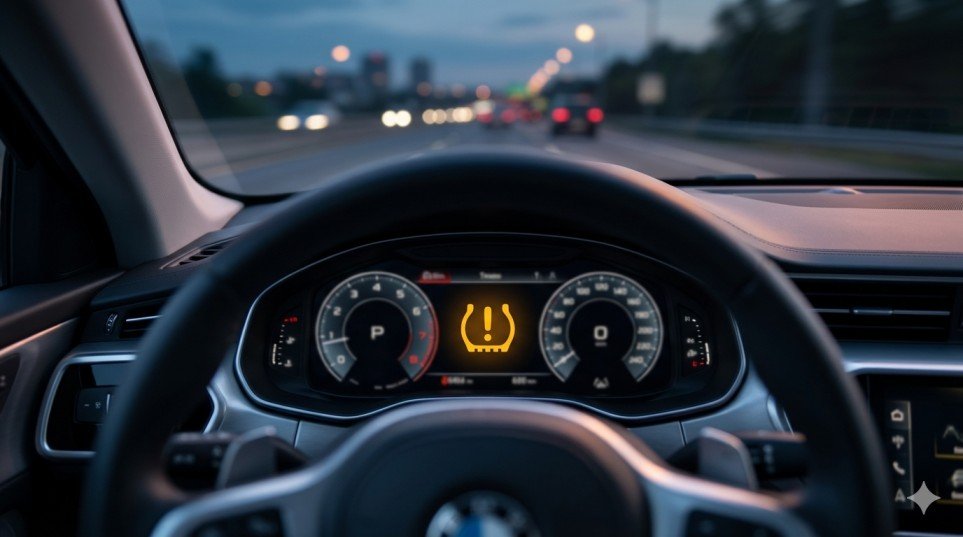
You glance at your dashboard and spot a new light glowing back at you. It has an exclamation point on it. Your stomach drops a little. Is the car about to break down? Do you pull over right now? Should you call a mechanic?
Take a breath. That little symbol shows up more often than you think, and it almost always has a straightforward explanation. Let’s walk through exactly what it means, what you should do, and when you actually need to worry.
Understanding Dashboard Warning Lights
Your car talks to you through its dashboard. Automakers pack dozens of sensors into modern vehicles, and those sensors constantly check on everything from your engine to your tire pressure to your braking system. When something needs attention, the car lights up a warning symbol.
The exclamation point shows up across many of those warnings because it already carries a universal meaning in everyday life. It signals urgency. It says, “Hey, look at this.” Car designers figured that if drivers already know what an exclamation point means in a text message or a street sign, they will understand it on a dashboard too.
The tricky part is that several different warning lights all use an exclamation point, each pointing to a different problem. The color of the light tells you how urgent the situation is.
Common Exclamation Point Warning Lights and Their Meanings
Tire Pressure Warning Light (Yellow or Orange Exclamation)
This one shows up the most often. The tire pressure monitoring system, or TPMS, watches the air pressure in all four of your tires. When pressure in one or more tires drops too low, the system triggers a yellow exclamation point inside what looks like a flat tire or parentheses with a dot underneath.
Low tire pressure is more serious than people realize. It reduces fuel efficiency, makes your car harder to handle, and speeds up tire wear. You can often fix this by adding air at a gas station.
Brake System Warning Light (Red Exclamation)
A red exclamation point inside a circle, sometimes with the letter “P” next to it, usually points to your brakes. This light turns on when your parking brake is still engaged, but it also turns on when your brake fluid level drops too low or when the system detects a more serious brake issue.
If your parking brake is off and this light stays on, do not ignore it. Brakes are the one thing you really cannot afford to lose on the road.
Electric Power Steering Warning
Some cars show a yellow exclamation point alongside a steering wheel symbol when the power steering system runs into trouble. You might notice your steering feels heavier than usual. This one needs a mechanic’s attention soon, though the car is still drivable in most cases.
Transmission Temperature Warning
This light shows up when your transmission fluid overheats. Towing something heavy or driving in stop-and-go traffic for a long time can trigger it. Pull over when it is safe, let the car cool down, and check your transmission fluid level.
What the Color of the Exclamation Point Means
The color of any warning light tells you how quickly you need to act. Here is the basic breakdown.
Red Exclamation Point: Stop Driving Immediately
Red means serious. If you see a red exclamation point, you should pull over as soon as it is safe to do so. A red light points to something that could cause immediate damage to your car or put you in danger on the road. Do not brush it off and keep driving.
Yellow or Orange Exclamation Point: Take Care of It Soon
Yellow or orange means the car caught something that needs your attention, but you likely have a little time to deal with it. A tire losing pressure or a minor system alert often falls into this category. You should still handle it that day or within the next day or two. Do not let it sit for weeks.
Blue or Green Exclamation Point: Just So You Know
Blue and green lights are mostly informational. They let you know a system is active or that something is on. These rarely signal a problem.
What to Do When an Exclamation Point Light Comes On
Immediate Steps to Take
First, notice the color. Red means pull over now. Yellow means find a safe spot to stop and assess the situation. Once you stop, check whether something obvious explains the light, like a parking brake you forgot to release.
When Is It Safe to Keep Driving?
A yellow TPMS light with tires that still look okay? You can probably drive to a gas station and add air. A red brake warning light with a parking brake already released? Do not keep driving. Use your best judgment based on the color and what feels off about how the car drives.
How to Check Your Owner’s Manual
Every car comes with an owner’s manual, and that manual has a section dedicated to dashboard warning lights. It shows each symbol specific to your vehicle with a clear explanation. If you do not have a physical copy, most manufacturers post digital versions on their websites. You can look yours up in a few minutes.
When to Visit a Mechanic
Any red warning light deserves a mechanic visit the same day if possible. Yellow lights that do not go away after you address the obvious cause, like adding tire pressure, also need professional attention. A mechanic can plug in a diagnostic tool and read the error code your car stored, which points directly to the problem.
Exclamation Point Warning Lights by Car Brand
Different brands style their warning lights slightly differently, but the meanings stay mostly consistent.
Toyota and Lexus vehicles use a yellow TPMS light that matches the standard tire shape, and their brake warning lights stick to the standard red circle with exclamation point. Honda and Acura follow the same general pattern but sometimes place the exclamation point inside a triangle shape for certain alerts.
Ford, GM, and Chrysler vehicles tend to follow federal safety regulations that standardize what the key safety lights look like, so their exclamation-based warnings look familiar across models. BMW, Mercedes-Benz, and Audi lean on text-based alerts alongside the symbols on their digital displays, which makes the message even clearer, though the warning symbols themselves still follow the same color rules.
How to Prevent Warning Lights from Coming On
Regular Tire Pressure Checks
Check your tire pressure once a month. A tire gauge costs just a few dollars at any auto parts store. Your car’s recommended tire pressure shows up on a sticker inside the driver’s door jamb, not on the tire itself. Keeping tires properly inflated prevents that TPMS light from showing up and helps your tires last longer.
Routine Brake Inspections
Have a mechanic look at your brakes at least once a year or whenever you hear squealing or grinding. Catching brake wear early keeps you safe and saves money on more expensive repairs down the road.
Scheduled Vehicle Maintenance Tips
Follow your car’s recommended maintenance schedule. You can find it in the owner’s manual. Regular oil changes, fluid top-offs, and system checks catch small problems before they grow into big ones that trigger warning lights.
Final Thoughts: Never Ignore the Exclamation Point
That exclamation point on your dashboard is your car asking for help. Sometimes it is something small like a tire that needs a little air. Sometimes it is something urgent that needs immediate attention. Either way, the worst thing you can do is tape over the light and hope for the best.
Learn the colors, keep your owner’s manual handy, and get a mechanic involved any time you feel unsure. Your car works hard to keep you safe. Paying attention to what it tells you keeps it running well and keeps you on the road.