
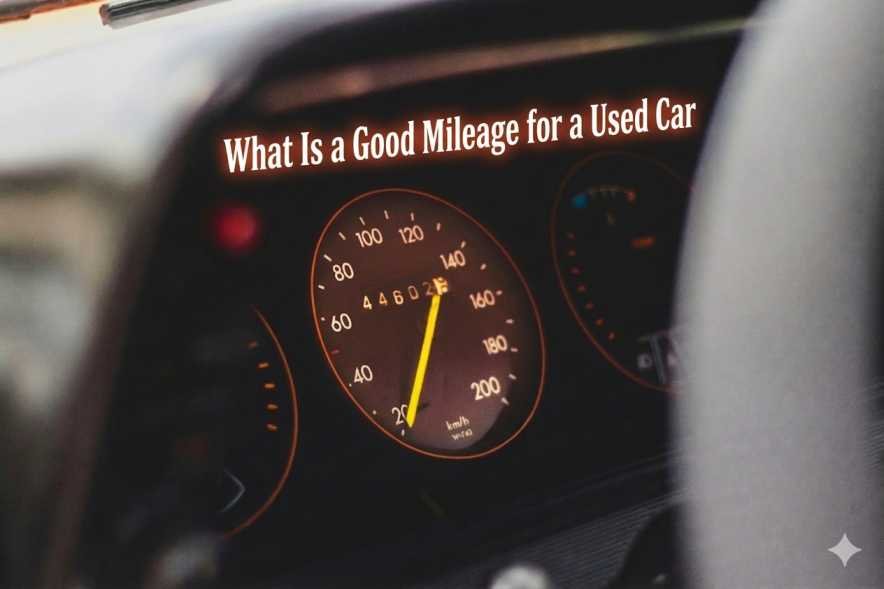
Buying a used car can feel overwhelming, especially when you’re staring at a listing and trying to figure out whether that odometer number is a red flag or a green light. Mileage matters, but it doesn’t tell the whole story. Let’s break it all down so you can shop smarter and feel confident in your decision.
Understanding What Good Mileage Means for a Used Car
When most people shop for a used car, the first thing they check is the mileage. And that makes sense. Mileage gives you a rough idea of how hard the car has worked over its lifetime. But here’s the thing, mileage alone doesn’t tell you whether a car is in great shape or falling apart.
A well-maintained car with 100,000 miles can outlast a neglected one with only 40,000 miles. So before you rule out a car just because the number looks high, you need to understand what good mileage actually means in context.
What Is Considered Good Mileage for a Used Car?
The 12,000-Mile-Per-Year Rule Explained
The auto industry uses a simple benchmark. The average driver covers about 12,000 to 15,000 miles per year. So if you’re looking at a 5-year-old car, you’d expect it to have somewhere between 60,000 and 75,000 miles on the odometer. Anything significantly below that range is considered low mileage, and anything well above it starts raising questions.
For example, a 6-year-old car with 45,000 miles is a solid find. A 4-year-old car with 80,000 miles deserves a closer look. This simple math helps you quickly spot whether a car has been driven more or less than average.
How Age and Mileage Work Together
Age and mileage are two sides of the same coin. A car that’s 10 years old but has only 70,000 miles might actually be a better deal than a 5-year-old car with 90,000 miles. Why? Because the older car has been driven gently and likely seen less wear on its critical components.
However, age brings its own concerns. Rubber seals, hoses, and belts deteriorate over time regardless of mileage. So a low-mileage but older car still needs a thorough inspection before you buy it.
What Mileage Is Good for a Used Car by Vehicle Type?
Sedans and Hatchbacks
Sedans and hatchbacks are typically built for everyday commuting. Most of them handle 150,000 to 200,000 miles without major issues if they’ve been properly maintained. So when you’re shopping for a used sedan, anything under 100,000 miles with a clean service history is a reasonable buy.
SUVs and Trucks
SUVs and trucks are built tougher. Many full-size trucks from brands like Toyota and Ford regularly surpass 200,000 miles with proper care. If you’re buying a used truck or SUV for work or adventure, don’t panic at 120,000 miles. Focus more on the maintenance record than the number itself.
Luxury and Sports Cars
Luxury and sports cars are a different story. These vehicles often use more complex engineering and expensive parts. Higher mileage on a luxury car can mean costly repairs down the road. For these types, try to stay under 60,000 to 80,000 miles if your budget allows it.

What Is a Good Mileage for Buying a Used Car?
Sweet Spot Mileage Ranges to Look For
If you want the best balance between price and reliability, aim for a used car with between 30,000 and 70,000 miles. At this range, the car has already taken its biggest depreciation hit, which means you pay less than you would for a new model. At the same time, it still has plenty of life left in it.
Cars in this mileage range usually still have good tires, healthy brakes, and haven’t yet reached the point where major components need replacing. You get a lot of value without taking on too much risk.
High Mileage vs. Low Mileage: Pros and Cons
Low mileage sounds great, but it comes with a higher price tag. Sometimes a low-mileage car has been sitting unused for years, which creates its own set of problems like dried-out seals and stale fluids.
High mileage cars are cheaper upfront, but you need to budget for potential repairs. The key is finding a high-mileage car that has been well maintained. A car with 130,000 miles and full service records is far better than one with 70,000 miles and no history at all.
What Is a Good Mileage for a Used First Car?
Why First-Time Buyers Should Think Differently
If you’re buying your first car, your priorities are probably a little different from someone buying their fifth. You want something affordable, reliable, and easy to insure. You’re not necessarily looking for the newest model or the lowest mileage on the lot.
First-time buyers often have tighter budgets, which means accepting a higher mileage car. And that’s perfectly fine, as long as you know what to look for.
Recommended Mileage Range for First-Time Buyers
For a first car, aim for something between 60,000 and 100,000 miles. This range gives you an affordable price point while still leaving room for several more years of reliable driving. Stick with well-known reliable brands like Toyota, Honda, or Mazda, and always get a pre-purchase inspection from a trusted mechanic before signing anything.
What Is Good Gas Mileage for a Used Car?
What Is a Good Gas Mileage for a Used Car? MPG Benchmarks
When people ask about gas mileage, they’re talking about fuel efficiency, not the odometer. These are two completely different things. Gas mileage refers to how many miles a car travels per gallon of fuel.
A good gas mileage benchmark for a used car depends on the type of vehicle. For a compact sedan or hatchback, anything above 30 MPG on the highway is considered good. For an SUV, 25 MPG highway is a solid number. For trucks, 20 MPG highway is respectable.
Fuel-Efficient Used Cars Worth Considering
Some used cars stand out for their fuel efficiency. The Toyota Prius consistently delivers over 50 MPG combined, making it one of the best choices for budget-conscious buyers. The Honda Civic and Toyota Corolla regularly achieve 35 to 40 MPG on the highway. Even older models of these cars tend to hold their fuel efficiency well over time.
How Engine Type Affects Gas Mileage on Used Cars
The engine plays a huge role in fuel efficiency. Four-cylinder engines generally deliver better gas mileage than six or eight-cylinder ones. Hybrid engines offer the best efficiency of all. If fuel costs are a major concern for you, prioritize four-cylinder or hybrid options when shopping for a used car.
What Is a Good Car Mileage for Used Cars from Different Eras?
Older Models (10 Plus Years)
For cars that are more than 10 years old, you need to adjust your expectations. A 12-year-old car with 90,000 miles might actually be a great buy if it’s been well cared for. Focus less on hitting a specific mileage number and more on the overall condition, rust, interior wear, and service history.
Newer Models (Under 5 Years)
For cars under five years old, stick closer to the 12,000-miles-per-year benchmark. A 3-year-old car shouldn’t have more than 45,000 miles on it. If it does, find out why. It could mean it was used as a fleet vehicle or rental car, which typically means heavier use and less careful maintenance.
Other Factors That Matter as Much as Mileage
Service History and Maintenance Records
Always ask for the service history. A car that has had regular oil changes, tire rotations, and scheduled maintenance is worth far more than one with mystery miles and no paperwork. Service records tell you how the previous owner treated the car.
Number of Previous Owners
Fewer owners generally mean less risk. A car that has had one careful owner for 10 years is usually a safer bet than one that has passed through five different hands in the same period.
Accident and Title History
Run a vehicle history report using the VIN number before you commit to any purchase. This report shows you whether the car has been in any accidents, had flood damage, or has a salvage title. A clean title is non-negotiable.
Mileage vs. Condition: Which Matters More?
Condition wins every time. A car with 120,000 miles that runs smoothly, has clean records, and passes a mechanic’s inspection beats a 60,000-mile car that’s been neglected and abused. Trust your mechanic’s assessment over the odometer reading.
How to Check if the Mileage on a Used Car Is Accurate
Odometer fraud still happens. Always cross-check the mileage against the vehicle history report. Look for signs of tampering on the dashboard, and compare the wear on the pedals, steering wheel, and seats with the claimed mileage. If the interior looks heavily worn but the odometer reads low, something doesn’t add up.
Final Tips: What Is Good Mileage for a Used Car When Shopping?
Keep these points in mind every time you look at a used car listing. Check the mileage against the car’s age using the 12,000-miles-per-year rule. Look for service history and a clean vehicle report. Get a pre-purchase inspection from an independent mechanic. And remember that condition always matters more than a number on the dashboard.
Conclusion: Good Mileage for Used Cars Depends on More Than Numbers
So, what is good mileage for a used car? The answer is that it depends. A good mileage range is typically between 30,000 and 70,000 miles for the best value, but a well-maintained car with 120,000 miles can still be an excellent choice. Focus on the full picture, including age, condition, maintenance history, and vehicle type, and you’ll find a used car that serves you well for years to come.