
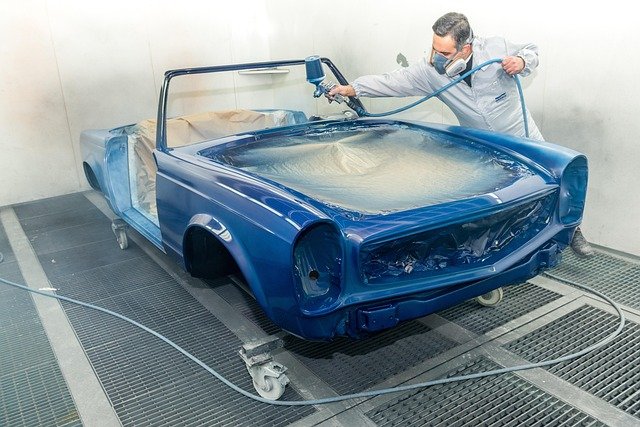
If you’ve ever stood in front of a car with a spray gun in hand and wondered why your finish looked streaky, dull, or full of runs, the answer almost always comes back to one thing: how you mixed your paint. Getting the mix right isn’t just a minor detail. It’s the foundation of a good paint job, and skipping steps here will cost you time, money, and a lot of frustration.
This guide walks you through everything you need to know about mixing automotive paint — from understanding paint types and reading data sheets, to dialing in your ratios and avoiding the mistakes that trip up beginners and experienced painters alike.
Why Proper Paint Mixing Matters
Common Problems Caused by Incorrect Mixing
Bad mixing shows up fast once you start spraying. Too much reducer and your paint runs before it flashes. Too little and it dries too quickly, leaving orange peel texture or poor flow. Wrong hardener ratios cause adhesion failures, fish eyes, and soft spots that never fully cure.
The worst part? Most of these problems don’t show up until you’ve already laid down multiple coats. At that point, you’re sanding everything back and starting over. Proper mixing saves you from all of that.
How Mixing Affects Finish Quality and Durability
Paint that hits the panel at the right viscosity atomizes correctly through the gun, flows out smooth, and levels evenly. Hardener at the correct ratio kicks off the chemical cure that gives the finish its hardness and resistance to UV, fuel, and weathering. A paint job that looks great on day one but chalks out or peels within a year almost always traces back to mixing errors.
Types of Automotive Paint and How They Differ
Solvent-Based vs. Water-Based Paints
Solvent-based paints use petroleum-based thinners as the carrier. They’ve been the industry standard for decades and offer wide compatibility with reducers and hardeners from different manufacturers. Water-based paints use water as the primary carrier and need a fundamentally different approach to mixing and application. They flash differently, they require different reducers, and they’re far more sensitive to humidity and temperature. Many body shops run water-based systems now because of environmental regulations, but they come with a learning curve if you’re switching from solvent.
Single-Stage vs. Basecoat/Clearcoat Systems
Single-stage paint delivers color and gloss in one product. You mix it, spray it, and once it cures, you’re done. Urethane single stages are still popular for restoration work and classic cars because they give a deep, wet-looking finish without a clearcoat step.
Basecoat/clearcoat systems separate the color from the protection. The basecoat lays the color but it has almost no gloss and no real durability on its own. The clearcoat goes over the top and provides the shine, the depth, and the protection. Most modern OEM finishes work this way. You’ll mix and apply them separately, and they often have different ratio requirements.
Lacquer, Enamel, and Urethane Paints
Lacquer dries through solvent evaporation and it re-dissolves with fresh solvent, which makes blending easy but also means it stays soft and isn’t great for daily drivers. Enamel cures harder than lacquer and holds up better to the elements. Urethane paints require a chemical hardener to cure, and that reaction produces the toughest, most durable finish you can spray at home. Most high-quality modern automotive paints fall into the urethane category.
Tools and Materials You’ll Need
Mixing Cups and Stir Sticks
Graduated mixing cups are printed with ratio markings on the side so you can measure directly into the cup without a scale. They come in different sizes — pick one that’s larger than the amount you plan to mix to leave room for stirring without spillage. Always use a fresh cup. Dried paint from a previous job will contaminate your new mix. Stir sticks need to be clean and wide enough to reach the bottom corners of the cup.
Paint Mixing Scales (By Weight vs. By Volume)
Volume mixing uses the graduated markings on your mixing cup. It’s fast and works well for most jobs. Weight mixing uses a digital scale and measures components in grams or ounces. Some painters prefer weight mixing because it’s more precise and eliminates the parallax error that comes from eyeballing a cup at an angle. For production work or color matching, weight mixing gives you more consistent results.
Reducer, Hardener, and Activator — What Each Does
Reducer (also called thinner) adjusts the viscosity of the paint so it flows properly through the spray gun and atomizes at the right pressure. It also controls flash time, which is how quickly the solvent evaporates between coats.
Hardener (sometimes called activator or catalyst) triggers the chemical cure in two-stage urethane systems. Without hardener, urethane paint stays soft and tacky indefinitely. Hardener is what gives the finish its final hardness and chemical resistance.
Activators are specific to certain paint systems and often serve a similar function to hardeners, kicking off a curing reaction. Always read the product data sheet to know which one your specific paint requires.
Safety Gear
Automotive paint is serious stuff. Isocyanates in urethane hardeners are respiratory sensitizers that can cause permanent lung damage with repeated exposure. A properly fitted organic vapor respirator with OV/P100 cartridges is non-negotiable when you spray urethane paints. Add nitrile gloves to protect your skin, and safety glasses or goggles to protect your eyes. Work in a ventilated space and keep a fan moving fresh air across the area.
Understanding Paint Mixing Ratios
How to Read a Paint Data Sheet (PDS)
Every quality automotive paint product comes with a product data sheet, and this is the document you need to read before you mix anything. The PDS tells you the recommended mixing ratio for different application methods, the pot life after mixing, the correct reducer type for different temperatures, recoat windows, and dry times. Manufacturers test their products extensively and publish these specs for a reason. Don’t guess at ratios when the answer is right there on the sheet.
Common Ratios Explained (4:1, 2:1, 3:1:1)
A 4:1 ratio means four parts paint to one part hardener. A 2:1 ratio means two parts paint to one part hardener. A three-part ratio like 3:1:1 means three parts paint, one part hardener, and one part reducer.
The first number is always the paint or clearcoat base. The second number is usually the hardener or activator. The third number, when present, is the reducer. Always add components in the order listed on the PDS. Most products want you to add hardener to paint first, then reducer last.
Mixing by Volume vs. Mixing by Weight
Volume ratios use the printed markings on a graduated mixing cup. Fill to the first line with paint, then fill to the corresponding line with hardener. The cups are printed to account for the ratio automatically, so you just fill to the right levels.
Weight ratios require a scale and some quick math. If your paint has a mixing ratio of 4:1 by weight and you want to mix 400 grams of paint, you’d add 100 grams of hardener. Some manufacturers publish separate volume and weight ratios because the density of the components differs, so always confirm which method the PDS specifies.
How to Mix Automotive Paint Step by Step
Step 1: Shake and Agitate the Base Paint
Before you measure anything, shake or stir the base paint thoroughly. Pigments settle over time, especially in metallics and pearls. Shake the can for at least two minutes, or stir a larger container for several minutes until the color is completely uniform. If you see pigment clumps or a layer of settled material at the bottom of the container, keep stirring until it fully incorporates.
Step 2: Measure Out the Correct Paint Amount
Decide how much mixed paint you need for the job, then work backward to figure out how much base paint to start with. For a full panel, you’ll typically need 4 to 6 ounces of mixed material for basecoat and 6 to 8 ounces for clearcoat, but this varies by gun setup and how wet you apply it. Measure your base paint into a clean mixing cup at the appropriate level.
Step 3: Add Reducer/Thinner at the Right Ratio
Select the right reducer speed for your conditions (more on that below), then add reducer at the ratio specified on the PDS. Pour it in slowly and watch the cup markings carefully. For a standard 4:1:1 clearcoat, you’d fill to the 4 line with clear, then fill to the 5 line with hardener, then fill to the 6 line with reducer.
Step 4: Add Hardener or Activator (If Required)
If your paint system requires hardener or activator, add it after the base and before or after reducer depending on what the PDS specifies. Measure it accurately. Being off by even 10 or 15 percent on the hardener ratio can noticeably affect the cure quality and durability of the finish.
Step 5: Mix Thoroughly and Check Consistency
Stir the mixture for at least one to two minutes, making sure to scrape the bottom and sides of the cup. The mixed paint should look completely uniform in color and consistency with no streaks or separation. Check the viscosity by lifting your stir stick and watching how the paint drips off. Most ready-to-spray automotive paints fall between 15 and 25 seconds in a No. 4 Ford viscosity cup, but always refer to your PDS for the target range.
Step 6: Strain the Paint Before Spraying
Pour your mixed paint through a paint strainer into your spray gun cup. Strainers catch dried paint flakes, dust, and any debris that found its way into the mix. These particles will clog your gun tip and cause spitting and texture problems in your finish. This step takes about 30 seconds and saves you a lot of aggravation.
How to Mix Paint for Color Matching
Using a Paint Code vs. Custom Tinting
Factory paint codes give you the starting formula for your vehicle’s original color. Your local auto paint supplier can pull that formula from a database and mix it for you on a tinting machine. The code is usually on a sticker in the door jamb, under the hood, or in the trunk. For common colors on popular vehicles, the formula is often close enough to spray directly after proper mixing.
Custom tinting happens when the formula alone doesn’t get you close enough. A skilled painter can add small amounts of tinting colors to shift the hue, value, or chroma until the spray-out panel matches the vehicle panel in different lighting conditions.
How to Blend Tints to Match Factory Colors
Tinting is an art that takes experience, but the basics aren’t complicated. You start with the formula mix, spray a test panel, let it dry, and compare it to the car in natural daylight. If it reads too red, you add a small amount of a complementary color to neutralize it. If it reads too light, you add a darker toner. Make small adjustments, keep notes on what you added, and always compare in multiple lighting conditions because metamerism (color shift under different lights) can fool you.
Spraying Test Panels Before Committing
Never spray a customer’s car or your own panel without spraying a test panel first. Use a piece of scrap metal or a painted test card. Apply the same number of coats you plan to use on the actual panel, let it flash properly, and compare to the vehicle. This one habit catches color mismatches before they become expensive repairs.
Adjusting Paint for Temperature and Humidity
Choosing the Right Reducer Speed (Slow, Medium, Fast)
Reducer speed controls how quickly the solvent evaporates from the wet film. In hot weather above 85°F, you need a slow reducer to give the paint time to level before the surface skins over. In cold weather below 65°F, you need a fast reducer so the paint flashes quickly and doesn’t sag. At moderate temperatures between 65°F and 85°F, medium reducer works well for most applications.
Using the wrong reducer speed causes real problems. Fast reducer in hot weather causes dry spray and poor flow. Slow reducer in cold weather causes runs and extended flash times between coats.
How Heat and Humidity Affect Flash Time and Cure
High humidity slows solvent evaporation and can cause blush (a milky haze) in lacquers and some basecoats. High heat accelerates flash time dramatically, which means you need to slow down your application and give the gun more distance from the panel. Low temperatures slow the chemical cure in urethane systems, which means longer dry times before you can sand or clear.
Most PDS sheets include a temperature/humidity chart. Pay attention to it. Trying to spray outside of the recommended temperature and humidity windows leads to problems that you can’t always solve by changing application technique.
Common Mixing Mistakes to Avoid
Adding Too Much or Too Little Reducer
Over-reducing thins the paint too much, which causes runs, sags, and poor hiding. It also dilutes the solids content, which means you need more coats to get proper coverage and film build. Under-reducing makes the paint too thick, which causes orange peel, poor atomization, and dry overspray landing on your wet surface. Follow the PDS ratio and adjust spray technique before you adjust reducer ratio.
Not Mixing Long Enough
One minute of lazy stirring isn’t enough. Hardener needs to fully incorporate into the paint for the curing reaction to work evenly throughout the film. Undermixed paint can have pockets of uncured or soft material that show up as adhesion failures or dull spots after the job dries. Stir for at least two full minutes, and stir again after you strain it into the gun cup.
Using Expired Hardener or Activator
Hardener has a shelf life, and once it absorbs moisture from the air it starts to degrade. Expired or contaminated hardener causes incomplete curing, soft or tacky finishes, and adhesion problems. Check the date on your hardener before every job. If you opened it more than six months ago or stored it somewhere humid, replace it. Hardener is cheap compared to the cost of redoing a paint job.
Cross-Contaminating Paint Products
Different brands and even different product lines within the same brand don’t always play well together. Mixing hardener from one manufacturer with paint from another can cause incompatibility reactions, fisheyes, lifting, or curing failures. Stick to one brand’s system for each job, and when you switch systems, clean your equipment thoroughly.
How Long Does Mixed Automotive Paint Last?
Pot Life Explained (Working Time After Mixing)
Pot life is the amount of time you have to use mixed paint before the hardener reaction progresses too far to spray properly. A typical urethane clearcoat might have a pot life of 45 minutes to 2 hours at 70°F. As the pot life expires, the viscosity increases, the atomization gets worse, and the finish quality drops. Heat dramatically shortens pot life, so on a hot day you might have 30 minutes or less.
Mix only what you need for the job. It’s better to mix a second small batch than to stretch a compromised mix past its pot life.
Can You Store Leftover Mixed Paint?
Once you add hardener to urethane paint, the clock starts and you can’t stop it. You cannot store catalyzed urethane paint for later use. If you have leftover mixed material after a job, dispose of it properly according to local regulations. Uncatalyzed paint and base coats in solvent-based systems can be sealed and stored, but keep them in a cool, dark place and away from any sources of heat or ignition.
Frequently Asked Questions
Can I Mix Different Brands of Automotive Paint?
Generally, you want to avoid it. Most professional painters stick to one brand’s complete system for a job, using that brand’s paint, hardener, and reducer together. The manufacturer tested those products together and published the PDS with that combination in mind. Mixing brands introduces variables that can cause compatibility problems. That said, some reducers from reputable suppliers are designed to be compatible across multiple brands, but always verify before you spray.
What Happens if I Get the Ratio Wrong?
It depends on how far off you are. A small deviation of five percent or less probably won’t cause obvious problems, but larger errors show up as adhesion failures, incomplete curing, poor gloss, or premature peeling. Too much hardener can cause brittleness and cracking. Too little hardener leaves the film soft and easily scratched. Getting the ratio right matters, which is why using proper measuring cups or a scale is worth the few extra minutes.
Do I Need to Mix Primer the Same Way?
It depends on the primer. Epoxy primers are two-part products and require a hardener at a specific ratio, similar to urethane topcoats. Urethane primers also need hardener. High-build polyester primers often come ready to mix with a catalyst at a specified ratio. Lacquer spot putties and some single-stage primers don’t need a hardener at all. Read the PDS for every product you use, because the answer changes from product to product.
How Do I Mix Metallic or Pearl Paints?
Metallic and pearl basecoats need extra attention during the initial stirring because the aluminum flakes and mica particles settle at the bottom of the container. Stir gently but thoroughly — vigorous shaking can cause air bubbles. When mixing, use the same ratio process as standard basecoat. One key difference is that metallic paints are sensitive to application technique. Spraying from a consistent distance and at a consistent speed matters more with metallics because the flake orientation in the wet film determines how the color reads at different angles. Uneven flake orientation produces a blotchy or striped appearance called mottling, and no amount of correct mixing fixes poor application technique.
Mixing automotive paint correctly is one of the highest-leverage skills you can develop as a painter. Get it right and everything downstream — the spray pattern, the flow, the cure, the final gloss — has the best chance of turning out the way you want. Take shortcuts here and you’ll spend twice as much time fixing problems as you would have spent doing it right the first time. Measure accurately, read your data sheets, use fresh materials, and take your time with the stir. The rest follows from there.